The Way We Never Were
ebook ∣ American Families and the Nostalgia Trap

Sign up to save your library
With an OverDrive account, you can save your favorite libraries for at-a-glance information about availability. Find out more about OverDrive accounts.

Find this title in Libby, the library reading app by OverDrive.



Search for a digital library with this title
Title found at these libraries:
| Library Name | Distance |
|---|---|
| Loading... |
The classic, myth-shattering history of the American family.
“The Way We Never Were effectively demolishes the normal, traditional nuclear family as neither normal nor traditional, and not even nuclear.” ―Nation
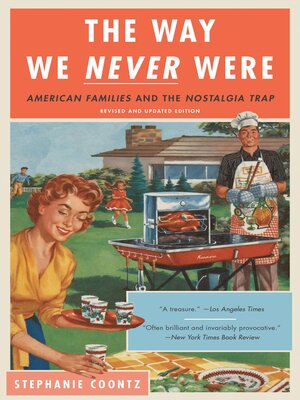
Leave It to Beaver was not a documentary, a man’s home has never been his castle, the “male breadwinner marriage” is the least traditional family in history, and rape and sexual assault were far higher in the 1970s than they are today. In The Way We Never Were, acclaimed historian Stephanie Coontz examines two centuries of the American family, sweeping away misconceptions about the past that cloud current debates about domestic life. The 1950s do not present a workable model of how to conduct our personal lives today, Coontz argues, and neither does any other era from our cultural past. Coontz explores how the clash between growing gender equality and rising economic inequality is reshaping family life, marriage, and male-female relationships in our modern era.
Now more relevant than ever, The Way We Never Were is a potent corrective to dangerous nostalgia for an American tradition that never really existed.
“The Way We Never Were effectively demolishes the normal, traditional nuclear family as neither normal nor traditional, and not even nuclear.” ―Nation
Leave It to Beaver was not a documentary, a man’s home has never been his castle, the “male breadwinner marriage” is the least traditional family in history, and rape and sexual assault were far higher in the 1970s than they are today. In The Way We Never Were, acclaimed historian Stephanie Coontz examines two centuries of the American family, sweeping away misconceptions about the past that cloud current debates about domestic life. The 1950s do not present a workable model of how to conduct our personal lives today, Coontz argues, and neither does any other era from our cultural past. Coontz explores how the clash between growing gender equality and rising economic inequality is reshaping family life, marriage, and male-female relationships in our modern era.
Now more relevant than ever, The Way We Never Were is a potent corrective to dangerous nostalgia for an American tradition that never really existed.